

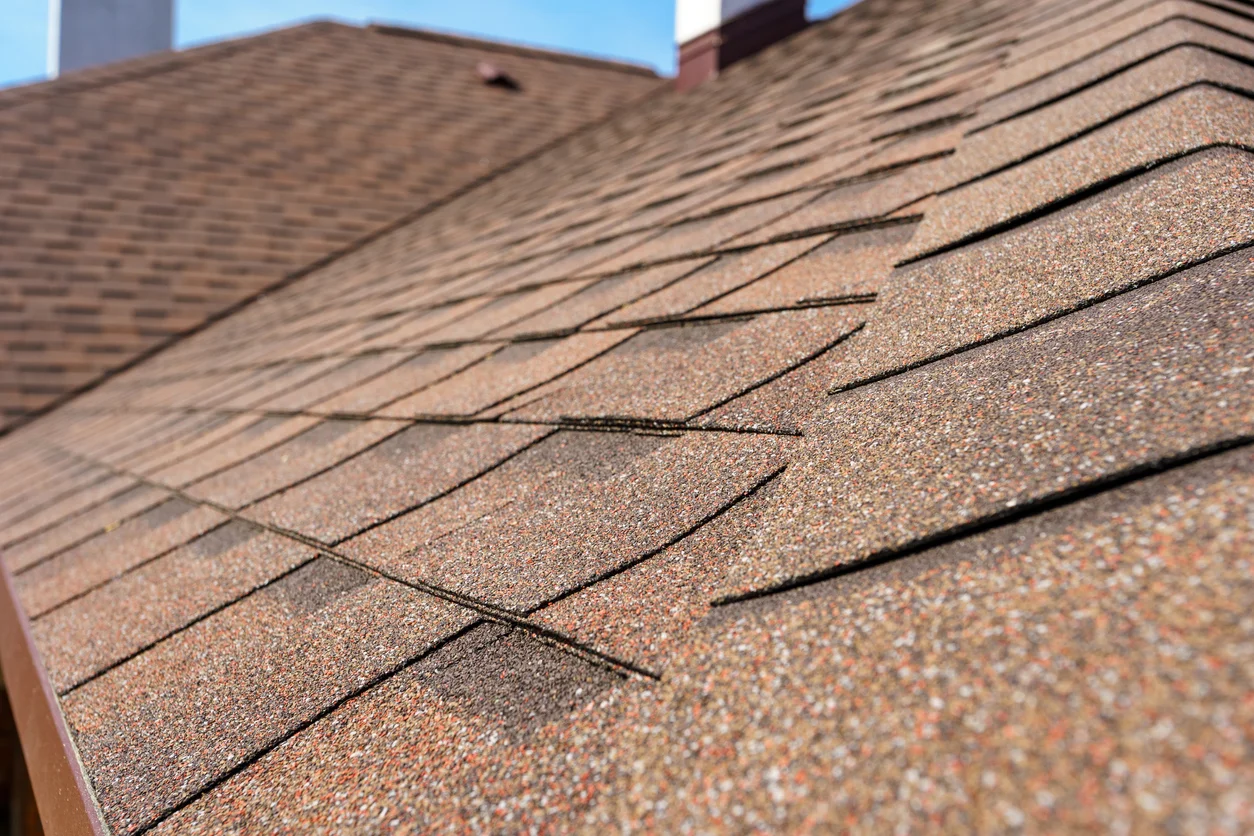
Living in Central Florida means we enjoy beautiful sunshine for most of the year. However, that same sun serves as a constant weight on the shoulders of your home. Your roof acts like a suit of armor, taking the brunt of high temperatures and ultraviolet rays to keep your family cool and safe inside. Over time, the heat can change the way your shingles perform, leading to wear and tear that isn't always visible from the driveway.
The Science of Solar Heat and Your Roof
Asphalt shingles are designed to be tough, but they are also highly absorbent. On a day where it feels like 90 degrees outside, the surface of a dark roof can easily reach temperatures well over 150 degrees. This intense heat causes the materials in the roof to expand during the afternoon and then rapidly contract as the sun goes down. This constant movement, known as thermal shock, can eventually lead to structural fatigue.
Beyond just the temperature, UV radiation is a silent factor in roof aging. These rays act like a slow-moving chemical reaction on your shingles, drying out the essential oils that keep them flexible. When those oils evaporate, the shingles become brittle and lose their ability to shed water effectively.
To better understand how solar energy interacts with your home, keep these factors in mind:
- Darker colored shingles absorb more heat than lighter, reflective options.
- Direct sunlight without shade trees speeds up the evaporation of protective oils.
- Rapid cooling from a sudden afternoon rainstorm can cause microcracks due to rapid temperature changes.
Common Signs of Heat-Related Shingle Damage
When shingles are exposed to extreme heat for too long, they start to show physical symptoms of heat exhaustion. One of the first things you might notice is the loss of granules—the small, sand-like pebbles that cover the shingle. These granules are there to protect the asphalt from the sun, so when they fall off and end up in your gutters, your roof loses its primary shield.
You might also see shingles that look like they are cupping or curling at the edges. This happens because the underside of the shingle is often cooler than the top side, causing the material to warp. If the attic underneath isn't breathing correctly, the heat gets trapped, essentially cooking the shingles from both sides at once.
If you suspect your roof is struggling with the heat, look for these specific red flags:
- Curled or cupped edges that look like the shingles are peeling away.
- Bald spots on shingles where the protective granules have washed away.
- Cracks that appear in a spiderweb pattern across the surface of the asphalt.
- Noticeable sagging in areas where the heat has weakened the underlying wood.
Protecting Your Home from Thermal Wear
While you can't turn down the sun, you can take steps to ensure your roof is prepared for the heat. Proper ventilation is perhaps the most important factor in extending the life of your roof. When air flows freely through your attic, it carries away the trapped heat, preventing the roof deck from reaching those dangerous temperatures that damage shingles from the inside out.
Regular check-ups are also vital for maintaining your home's defense. A professional can spot the early signs of thermal shock long before a leak starts. Catching a few cracked shingles early is a much simpler process than dealing with a full-scale failure during a summer storm. Keeping your gutters clear also helps, as it ensures that when those cooling rains do come, the water moves off the roof as quickly as possible.
Consider these proactive steps to help your roof handle the Florida heat:
- Ensure your attic has a balanced system of intake and exhaust vents.
- Schedule a yearly check to identify shingles that have become brittle or loose.
- Trim overhanging branches to provide some natural shade during the hottest parts of the day.
The Importance of Professional Roof Care
Understanding how heat impacts your home is the first step toward ensuring your property stays protected for years to come. While shingles are built to be resilient, the combination of high UV exposure and thermal expansion eventually takes a toll on even the best materials. Staying ahead of this wear through education and observation ensures your home remains a haven, preventing small heat-related issues from becoming expensive structural problems. Maintaining the integrity of your exterior armor is not just about looks; it is about the safety and efficiency of your entire living space.
If you are concerned about how the recent weather has affected your home's defense, Titan Roofing offers expert evaluations to give you peace of mind. We specialize in identifying thermal damage through a comprehensive roof inspection and can provide a full roof replacement if your current system has reached the end of its useful life. Our team focuses on using high-quality materials and precise installation techniques to ensure your new roof is prepared to stand up to the local climate.
Don't wait for a summer leak to compromise your home's safety! Secure your peace of mind by scheduling your professional assessment today. Fill out our online form or call us at (352) 721-0398 to get started.