

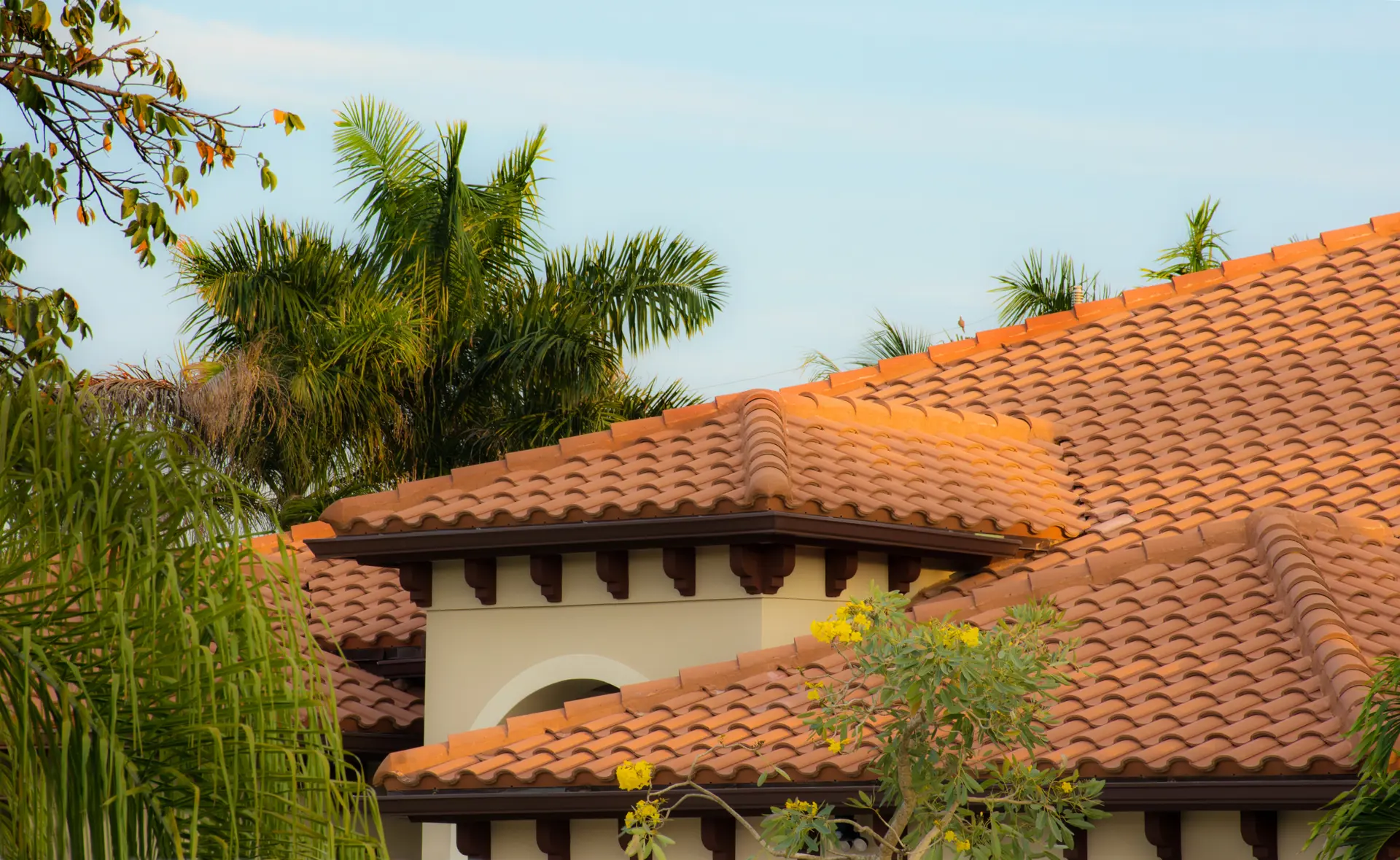
Most homeowners in Florida want the same things: a safe home, few surprise expenses, and a roof that lasts as long as possible. But with so much mixed information online, it’s easy to believe things that just aren’t true, especially when it comes to your roof’s lifespan. Knowing the truth can help you make more informed choices, protect your home, and prevent unnecessary expenses.
Why Roof Lifespan Myths Matter in Florida
Florida is tougher on roofs than most places. Between year-round sun, high humidity, heavy rain, strong winds, and hurricane seasons, roofs here work extra hard. That’s why understanding the facts—not the myths—is so important.
Believing incorrect information can lead to:
- Delayed maintenance
- Expensive repairs
- Shortened roof lifespan
- Insurance issues during storm season
Below are the most common roof lifespan myths homeowners believe, and the real truth behind them.
Myth #1: “A Roof Will Last Its Full ‘Rated’ Lifespan No Matter What”
Many roofing materials come with estimated lifespans, like 20 years or 30 years. But those numbers are based on standard conditions. Florida does not have standard conditions.
The Truth
Heat, humidity, salt air (near the coast), and strong UV rays can shorten a roof’s lifespan. Even high winds from seasonal storms play a role.
Real-world roof lifespan depends on:
- Material type (asphalt, metal, tile, etc.)
- How often the roof is inspected
- Whether small issues are repaired early
- Ventilation and attic temperature
- Local climate stressors
For example:
- Asphalt shingles may last 15–20 years in Florida, not 30.
- Tile roofs can last for decades, but only if the underlayment is properly maintained.
- Metal roofs handle heat well but still require routine checks to maintain good condition.
Regular roof maintenance—usually once or twice a year—helps maximize a roof’s life, regardless of the material.
Myth #2: “A New Roof Means I Don’t Need Inspections for Years”
This is one of the most common assumptions homeowners have after replacing a roof. While new roofs are built to today’s standards, they still need routine attention.
The Truth
New roofs can still develop:
- Loose shingles
- Nail pops
- Small leaks around flashing
- Debris buildup that traps moisture
- Early wear from storms
Industry experts recommend inspections once a year and after major storms. This helps catch small problems before they turn into bigger, more expensive ones.
Routine inspections also help with:
- Insurance documentation
- Storm readiness
- Preserving your manufacturer's warranty
Many warranties require proof of maintenance. Skipping roof inspections could result in denied claims later.
Myth #3: “Roof Damage Is Always Obvious”
Homeowners often assume they’ll spot roof issues easily. Unfortunately, roof damage can stay hidden for months or even years before becoming noticeable.
The Truth
Many types of damage are subtle at first:
- Water seeping behind flashing
- Slow roof leaks are hidden in the attic
- Wind-lifted shingles that appear intact from the ground
- Cracks in seals around vents
- Soft spots under tiles
These issues eventually turn into:
- Mold growth
- Rotting wood
- Stains on ceilings
- Large interior repairs
That’s why professional inspections use methods most homeowners can’t replicate, such as checking moisture levels, walking the roof safely, and examining flashing closely.
Myth #4: “Metal or Tile Roofs Last Forever Without Maintenance”
Florida homeowners love metal and tile roofs for their strength and style, but many believe they are “set and forget” roofing systems.
The Truth
Even the strongest roofing materials need care.
Tile Roof Facts:
- Tiles often last decades, but the underlayment (the layer beneath the tiles) usually needs replacement after 20–30 years.
- Tiles can crack from debris or foot traffic.
- Heavy rain can wear down old materials underneath.
Metal Roof Facts:
- Screws can loosen over time.
- Sealants may break down from sun exposure.
- Debris can scratch coatings.
Skipping maintenance can reduce the lifespan of both metal and tile roofs.
Myth #5: “Roof Coatings or Sealants Make a Roof Last Forever”
Coatings are popular because they help reflect heat and improve efficiency. But many homeowners think coatings are a permanent fix.
The Truth
Roof coatings are helpful, but they are not a replacement for full maintenance.
Coatings:
- Extend roof life
- Improve energy efficiency
- Protect against UV rays
- Reduce heat absorption
But they cannot:
- Fix structural issues
- Replace worn-out materials
- Stop leaks caused by flashing problems
- Repair damage from storms
Coatings are part of a maintenance plan—not a one-time solution.
Myth #6: “My Roof Only Needs Attention After a Storm”
While storms are a major cause of roof damage, everyday weather can also take a toll.
The Truth
Florida’s climate subjects roofs to:
- UV exposure
- Heat cycles
- Humidity
- Afternoon thunderstorms
- Seasonal winds
These can cause gradual wear you won’t notice until it becomes serious.
Regular attention helps prevent:
- Water damage
- Mold
- Early deterioration
- Interior leaks
Preventive care beats emergency repairs every time.
Myth #7: “Insurance Will Cover Everything If Something Goes Wrong”
Some homeowners believe that if their roof gets damaged, insurance will simply pay for it. But claims don’t always work that way.
The Truth
Insurance companies look at:
- The age of the roof
- Maintenance history
- The type of damage
- Whether the issue was preventable
Improper maintenance or pre-existing wear could limit coverage.
Keeping inspection records, taking before-and-after photos, and repairing small issues quickly can help support future claims.
How to Protect Your Roof’s Lifespan in 2026
Here are simple steps Florida homeowners can follow:
Do this once or twice a year:
- Schedule a professional roof inspection
- Clear gutters and downspouts
- Remove debris from the roof
- Check attic ventilation
After storms:
- Look for missing or lifted shingles
- Check for leaks or stains inside
- Have a professional assess damage you can’t see
Long-term habits:
- Repair damage early
- Keep photos and maintenance records
- Ask about energy-efficient upgrades or roof coatings
These steps help make sure your roof stays strong through Florida’s changing weather.
When to Call a Roofing Professional
Reach out if you notice:
- Water spots on ceilings
- Missing shingles
- Cracked or sliding tiles
- Increasing energy bills
- Granules in gutters
- Roof sagging
- Signs of mold or moisture in the attic
Even small changes can be a sign that something needs attention.
Ready to Protect Your Home?
If you’re unsure about your roof’s condition or want guidance based on Florida’s 2026 climate, a professional inspection can help you make informed decisions. Titan Roofing offers thorough roof inspections, clear explanations, and honest recommendations to help you care for your home with confidence.
Connect through the contact form or call (352) 721-0398 for trusted support.